skip to main |
skip to sidebar
Reprinted from Care2
Swapping popular fruit and vegetables for their less common counterparts can greatly improve the healthiness of diets. Even if you already maintain a healthy diet, there are some simple switches that you can employ to greatly boost the average intake of phytonutrients–the substances in fruit and vegetables that help to protect the body from conditions such as heart disease and cancer. According to findings presented at the 2010 Experimental Biology conference this week in California, the data highlights the importance of “not only the quantity but also the significant impact the quality and variety of the fruits and vegetables you eat can have on your health.”
The idea is that by swapping some of your staples, you increase the variety of crucial nutrients required for maximum health and longevity. Since variety is so important, I’d suggest not going for a 100 percent replacement–but as you can according to availability, locality and season. Here are the five “powerhouse” alternative foods the researchers suggest you get into your mix:
 All photos courtesy: Care2
1. Sweet potatoes for carrots
One cup of cooked sweet potatoes provides 1,922 micrograms Retinol Activity Equivalents (mcg RAE) of beta carotene, double that of carrots, and 16 times that of broccoli. Sweet potatoes have four times the US Recommended Daily Allowance (USRDA) for beta-carotene when eaten with the skin on. Sweet potatoes are a wellspring of vitamin E, and they are virtually fat-free, which makes them a superior Vitamin E source. (Most Vitamin E rich foods, such as vegetable oils, nuts and avocados, contain a hefty dose of fat.) Sweet potatoes provide many other essential nutrients including Vitamin B6, potassium and iron. They are virtually fat-free, cholesterol-free and very low in sodium. One cup (200 grams) of cooked sweet potatoes has 180 calories.
Sweet potato fries & sweet potato pie (one of my all-time favourites)

2. Kale for spinach
Kale has the highest antioxidant level per serving of any other fruit or vegetable. Kale has exceedingly high ORACs (Oxygen Radical Absorbance Capacity, the measure of a food’s antioxidant level–the higher the ORACs, the more antioxidants the food has), and has about three times as much lutein as spinach. Eating the recommended five-a-day servings of fruits and vegetables will ring up around 1750 ORAC units, but several studies suggest that antioxidant intake be increased to between 3,000 and 5,000 ORAC units to have a significant impact on plasma and tissue antioxidant capacity. A serving of iceberg lettuce contains an ORAC value of 105, a serving of kale has a whopping 1770! Kale can be used in any recipe that calls for spinach.
Info on kale here.

3. Raspberries for strawberries
Raspberries possess almost 50 percent higher antioxidant activity than strawberries, three times that of kiwis, and ten times the antioxidant activity of tomatoes, according to research conducted in the Netherlands and published in the journal BioFactors. The biggest contribution to raspberries’ antioxidant capacity is their ellagitannins, a family of compounds almost exclusive to the raspberry, which are reported to have anti-cancer activity.
Recipe: Vegan Raspberry Crisp

4. Papaya for oranges
Papayas are an excellent source of Vitamins C and E and beta-carotene, three strong antioxidants. It has been ranked in the Top 5 fresh fruits (along with guava, watermelon, grapefruit and kiwifruit–well ahead of oranges, apple, and bananas), rated on six key nutrients: vitamin C, folate, potassium, iron, calcium, and fiber plus carotenoids.
Papayas are also rich in enzymes that stimulate stomach secretions and aid digestion. They contain protein-digesting enzymes including papain and chymopapain, and are low in fat and are a good source of fiber–they are also a very good source of calcium, potassium and Vitamins A and B.
Recipe: Papaya Lime Sorbet

5. Watercress for other greens
Watercress is a better source of vitamins C, B1, B6, K, E, Iron, Calcium, Magnesium, Manganese, Zinc, and Potassium than apples, broccoli, and tomatoes. By weight, watercress has more calcium than milk, more vitamin C than an orange and more absorbable iron than spinach (spinach is high in oxlactic acid, which blocks the natural absorption of iron). A single 4-ounce bunch of watercress has more than a full day’s RDA for potassium.
Recipe: Springtime Watercress Soup
 Photo courtesy: Care2
Feeding a family (or just yourself) can be an expensive proposition. There is usually some food wasted every week; and, prices seem to just keep climbing. How to save money in the kitchen while still fixing nutritious, healthy meals the entire family (or just yourself) will enjoy for the lowest possible price? Read on, intrepid shopper.
1. Stop eating prepared meals: Consumers have been led to believe that they don’t have the time to cook and it simply isn’t true. You can have a healthy meal on the table within half an hour. Prepared meals have more fat, more sugar, more salt, more preservatives, and more garbage waste than anything you can cook yourself.
Not to mention the fact that you pay premium prices for sub-standard product. Someone has to pay for executive salaries and television advertising, why should it be you? There are many ways to prepare wholesome meals for your family in a minimum amount of time.
My mother did it, I did it; and, now, my children do it. What is it? We put many of our evening meals on to cook before we went to work. There is nothing more user-friendly or useful in a kitchen than a slow cooker. I would put our dinner (a stew, cabbage rolls, or whatever) into the slow cooker, season it, stir it, and put it on low. When I arrived home approx. 10 hours later, there was dinner beautifully cooked, tasty, hot and ready to serve. Of course, with 10 hours of simmering, I could get away with cheap cuts of meat. Cooked this way, even the toughest cuts could be cut with your tongue.
2. Plan ahead: Yes, this is going to take a bit of effort, but once you get going it will be easy. Make sure you have a well-stocked pantry. Dry legumes, rice, pasta, sun-dried tomatoes should all be on hand to make quick, nutritious meals. Everything I use is either dry or fresh, I avoid canned goods and frozen foods for health reasons.
3. Plan your week: Take the time to work out a menu plan for the week. Most people grocery shop once a week and they toss things into their carts without considering what they are actually going to use it for. If you know what you are going to eat ahead of time; and, you have the right ingredients, you’ll be less likely to resort to take-out or the nearest greasy spoon.
4. Cook more meatless meals: Meat will consistently be the most expensive food item in your grocery cart. The ready availability of other protein sources allows you to expand your food repertoire and have a healthier diet. There are many vegetable sources that give you a chewy, meatlike texture - porcini mushrooms, rehydrated shiitake mushrooms (one of my personal favourites), portobello mushrooms, tofu products, eggplant...
5. If you do use meat, use less: No one NEEDS the massive amounts of meat we eat today. In fact, it has been proven that diets heavy in animal protein and fats are not good for our health. Try cutting your meat portions by a third while adding a third more vegetables. Your body will love you and so will the environment. Consider going vegetarian for health and financial reasons.
6. If you do use meat, use a cheaper cut: This is where a slow cooker really comes in handy; or, prepare the meat beforehand and place it in the oven. Set the timer, temperature, etc. for the oven to come on at a preset time and temperature. When you come home the meat is ready; so, all you have to prepare are the veggies.
Alternately, you can prepare a stew on the weekend so everyone can enjoy the inticing, homey aroma. Make extra for a future meal.
7. Use your leftovers: If you are cooking instead of eating prepared foods, you are going to encounter leftovers. There are many different ways to use them up - add them to that vegetable soup you're having for lunch, toss them in the stew at the end or add them to a rice dish. One of my favourites was to save everything (veggies, that spoon of leftover spagetti sauce, mac & cheese, whatever) in a container in my freezer. When the container was full, it was defrosted and used in a from-scratch soup. All those different flavours, textures, spices, colours made my soups extremely rich-tasting and delicious.
8. Plan meals that will stretch through the week: If you make a spaghetti sauce one night, make enough to use in another meal. Use it as a soup base or make an eggplant parmigiana.
9. Make friends with your freezer: When I make something like spagetti sauce, stew or soup, I usually make enough for at least two meals; sometimes three. The other portions I freeze and drag out when I'm in a hurry - defrost, heat, eat. Again, this stops me from resorting to take-out or the local greasy spoon.
10. Brown bag it for lunch: Take your own lunch to school or work. Not only is it cheaper than going out for every lunch, it is much healthier for you as well. While there is nothing wrong with most restaurant food, there is nothing right with it either. Invest in a good thermos and enjoy hot meals at work or school.
11. Forget the pineapple: Unless you live in Hawaii, of course. Buy local vegetables, in season. Support your local farm economy by going to your local farmer’s market.
Via Care2
 All photos courtesy: Care2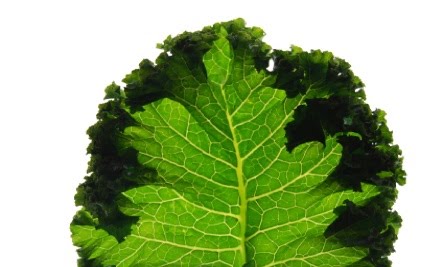


 Posts
Posts


